
Lunch & Learn: Montessori Reason & Rationale
- Somersfield Academy 107 Middle Road Devonshire, Devonshire Parish, Bermuda (map)
This Montessori Education Week, join us on Wednesday, February 26, for a special Lunch & Learn with Tina Evans from the Montessori School of Lebanon. With over 20 years of experience in Montessori education, Tina will share valuable insights into the Montessori approach.

Somersfield Academy has reported strong academic results across its Canadian Achievement Tests (CAT) and International Baccalaureate (IB) programmes, with students performing above grade-level expectations and achieving results above global averages in a number of IB subjects.
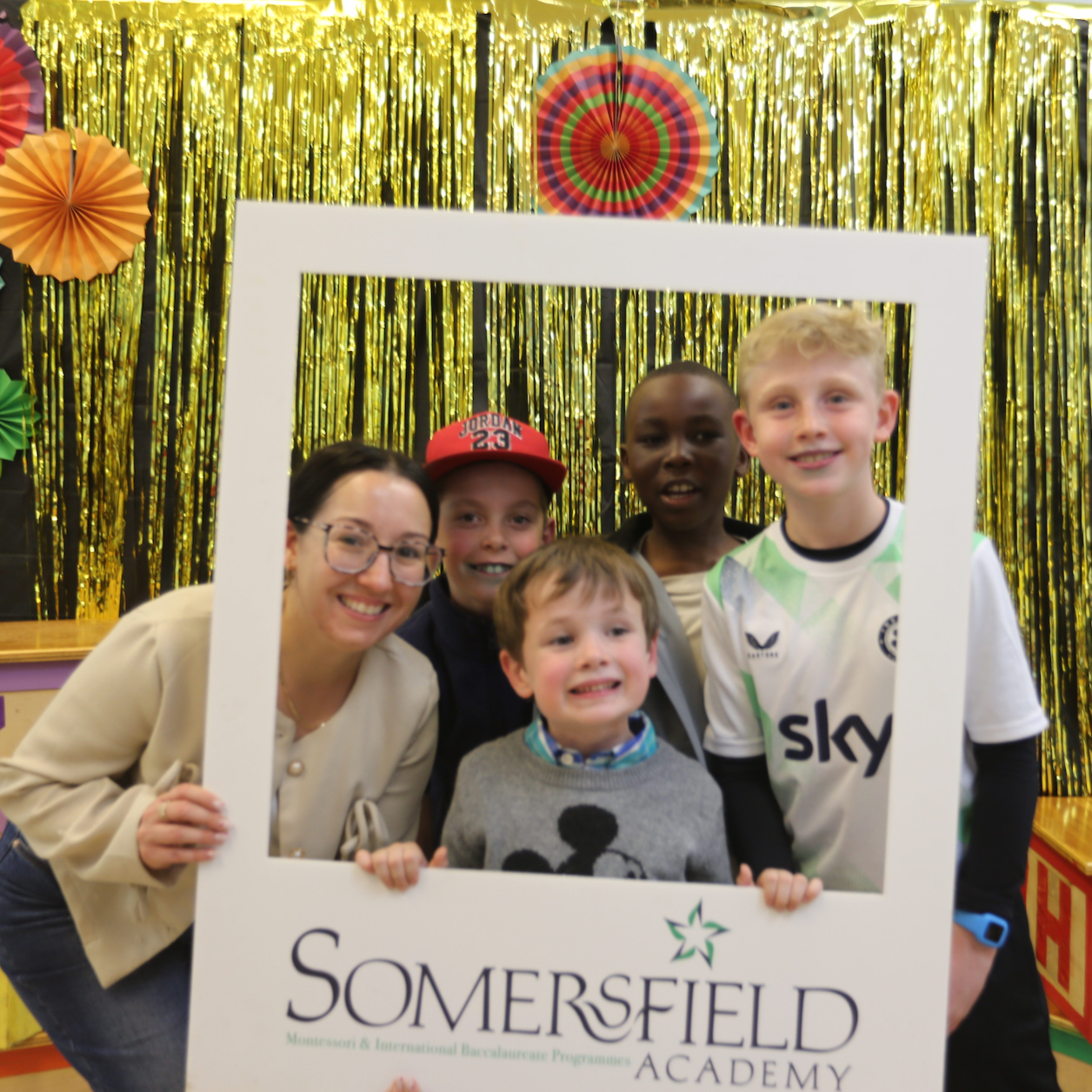
Learning goes beyond academics, and school dances offer a safe, structured space for children to build confidence, strengthen social skills, and form friendships. These experiences reflect Montessori principles and Somersfield’s values of independence, curiosity, respect, and meaningful community engagement.
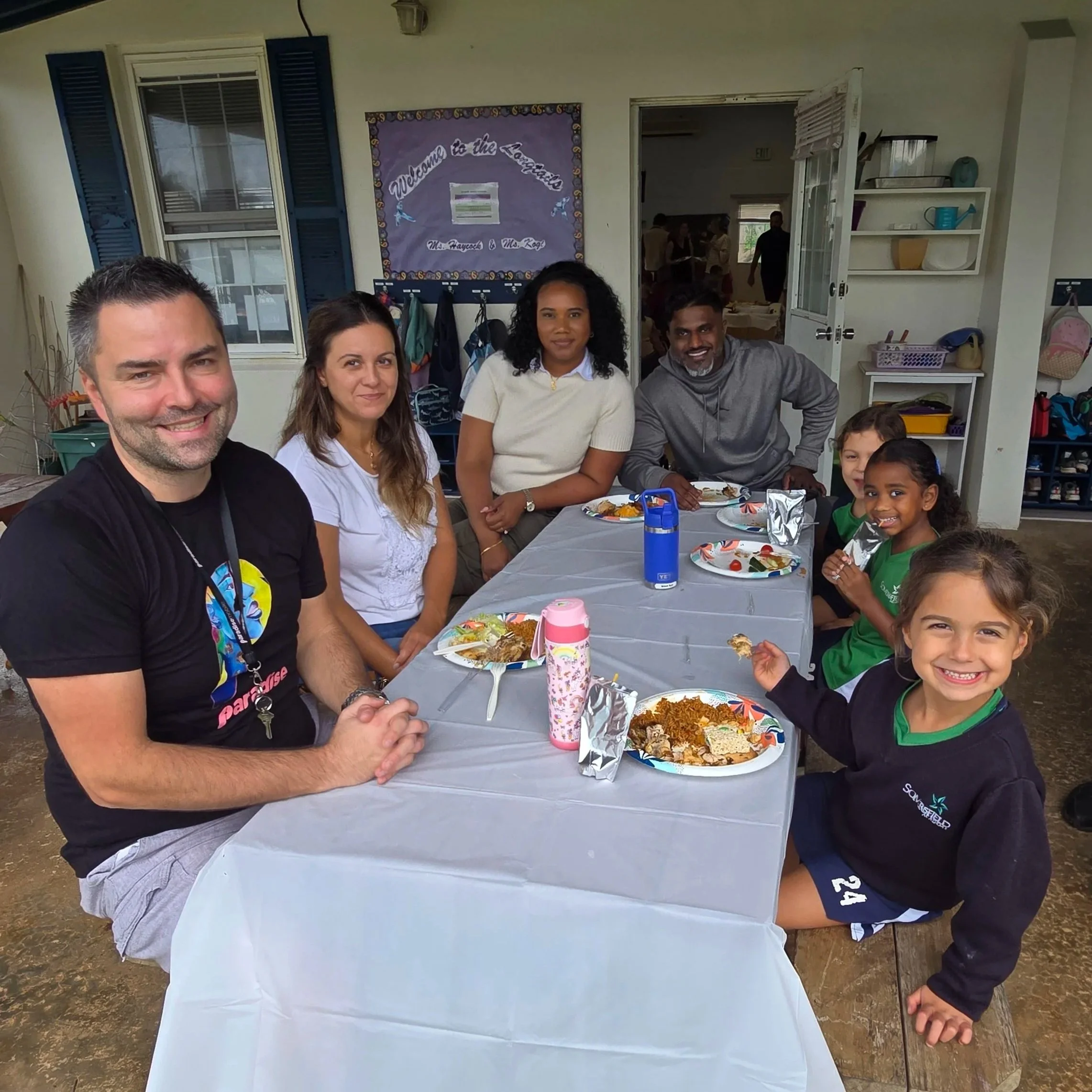
Children’s House Thankful Lunch offered a warm moment of slowing down—shared meals, big smiles, and simple togetherness. Through Montessori practice and CharacterStrong, children learn appreciation in natural, everyday ways. Thank you to all who joined us for this meaningful gathering.

Our Primary Thankful Lunch brought students, teachers, and families together to pause, share a meal, and recognise the good around us. With CharacterStrong’s focus on gratitude this month, our classrooms have been exploring appreciation in meaningful, everyday ways.

Somersfield Academy pauses on Remembrance Day to honour lives lost and lessons learned. In our Montessori–IB community, peace is not just remembered — it is practised daily through empathy, respect, and global citizenship.
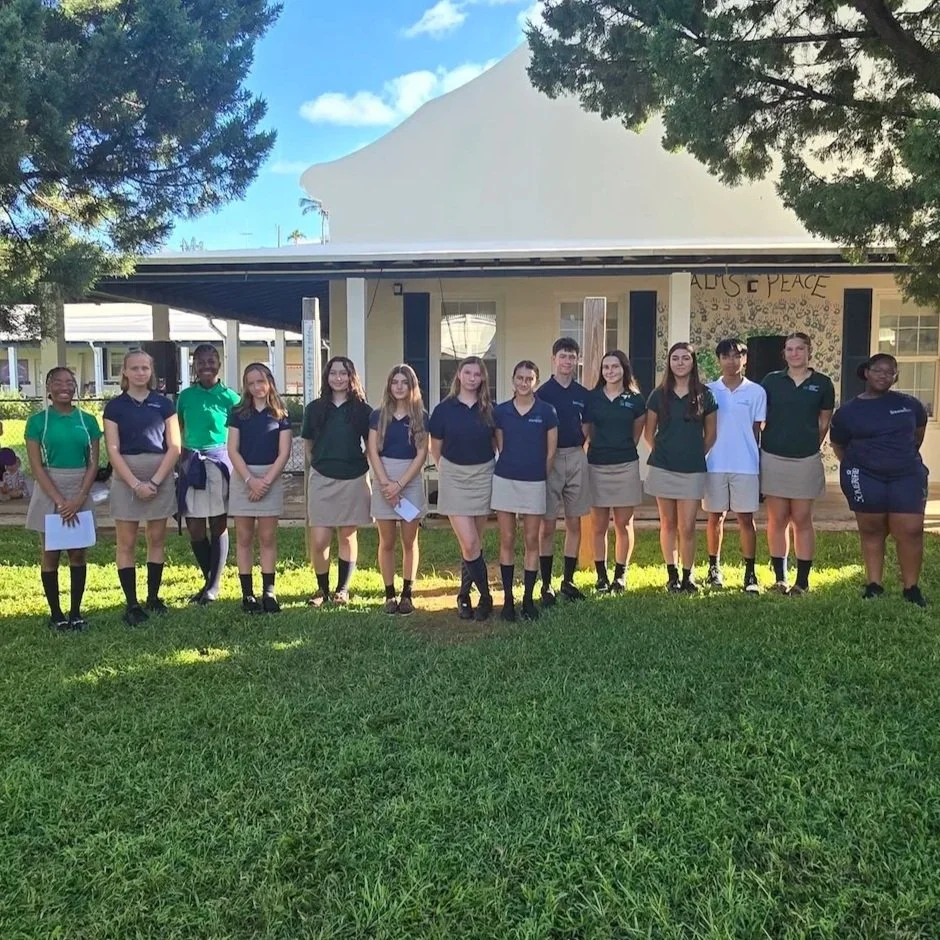
Somersfield Academy came together to celebrate its annual International Day of Peace, led by the newly appointed Student Leadership Council. The ceremony featured speeches by SLC President Dezirae Darrell, a moving performance of Songs of Freedom by Ameina Soares, and remarks from SLC Chair Yemaya Iris, highlighting peace, empathy, and inclusion.
Somersfield Academy is sharing student achievements across Montessori and IB programmes. CAT results were well above grade level, MYP students showed remarkable growth—including our first Bilingual Certificate—and 94% of IB Diploma graduates earned first-choice university offers, reflecting dedication and strong support of our staff.

The Montessori history curriculum begins not just with events and dates, but with an exploration of time itself. This foundational understanding includes practical lessons on telling time, mastering the calendar, and comprehending the past, present, and future tenses—a skill set that seamlessly integrates with their language development.

Reading comprehension in Lower Primary is intertwined in many activities throughout our programme and is not exclusively taught in isolation. Our aim is to ensure that the students are exposed during the three years to culturally diverse literature, as well as, to reading interpretively.

As with most lessons in a Montessori classroom, geometry begins with the spark of the imagination. Through story, students are told a wondrous tale about “geometry being one of the oldest studies in human existence. The beginnings of geometry can be traced back to ancient Egypt, from around 3000 BC. Since geo means “earth” and metria means “measure”, early geometry was all about measuring the earth to determine boundaries of ownership” (Bourne, 2010).

Microscopes, coral, and questions about what makes a food chain work—Somersfield’s Snappers class visited BIOS to explore Bermuda’s marine life up close. The trip added real-world depth to their classroom study of plankton and sparked new curiosity about life beneath the surface.

The Montessori programme incorporates a hands on approach to learning the nine parts of speech through the use of verbal activities, grammar symbols, grammar boxes, command cards and analysis of sentences. By engaging with the Montessori grammar materials, students are introduced to the various parts of speech and their corresponding grammar symbol in systematic order.

Founded in 1991 as Bermuda’s first Montessori school, Somersfield Academy began with a bold vision of inclusive, child-led learning. Now home to nearly 550 students and offering the full IB continuum, it continues to inspire independent thinkers with a global outlook and a strong Bermudian foundation.

What should you expect when observing a Montessori classroom? This guide offers key insights—from the flow of movement and sound to the subtle ways children collaborate, concentrate, and express independence. Learn how the environment itself supports autonomy, community, and purposeful learning.

At Somersfield Academy, we believe in empowering students with the skills to navigate conflicts independently. The Montessori Peace Table is a simple yet effective tool that helps children build emotional intelligence, self-regulation, and problem-solving abilities. Learn how this approach fosters a calmer, more connected classroom where children resolve disagreements peacefully.

We teach cursive because it supports how children naturally learn to read and write. Rooted in Montessori principles and backed by brain research, cursive builds confidence, improves literacy, and strengthens memory through purposeful, flowing movement.

From an early age, children are naturally drawn to the vibrant colours and intriguing forms of trees and flowers. Surrounded by nature, their curiosity is piqued, leading them to explore their environment in increasingly complex ways. Montessori education recognises this innate interest and harnesses it to foster a deeper understanding of the natural world.

Primary Sports Day was full of energy, effort, and encouragement as students took part in field and fun events. From teamwork to individual achievements, every moment was worth celebrating.

Our youngest athletes gave it their all at Children’s House Sports Day! From obstacle races to the teacher dress-up relay, the day was filled with smiles, laughter, and determination. Visit the gallery to see the fun and energy as our students embraced the spirit of the day.

Thank you to our community for helping make the Monster Trucks and Transformers co-curricular a reality. This was a co-curricular suggested by Longtail Kaius '38 and brought to fruition by Ms. Moran-Lee. We’re proud to support students' journey of innovation and learning!

The Montessori approach to phonics treats it as an ingrained part of learning to read and write. After children have learnt about the basics of parts of speech and understand the syntactic components of the English language, they are ready to engage in word study and learn to manipulate and decode language on a semantic level.
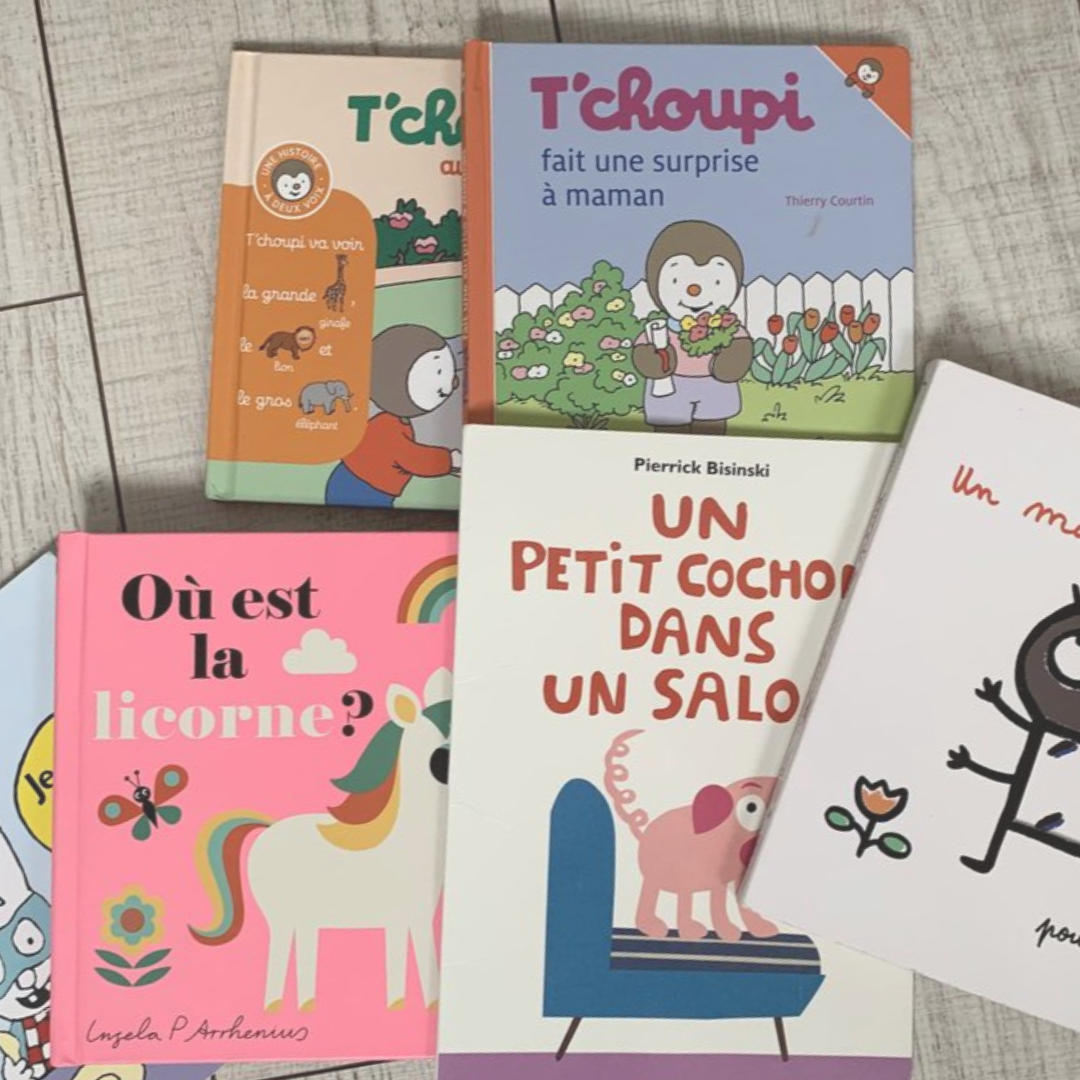
At Somersfield Academy, primary French is taught using AIM, an interactive method integrating gestures, drama, music, and dance. It creates a supportive learning environment where students engage actively and naturally acquire language skills, preparing them well for advanced language studies and promoting cultural understanding.
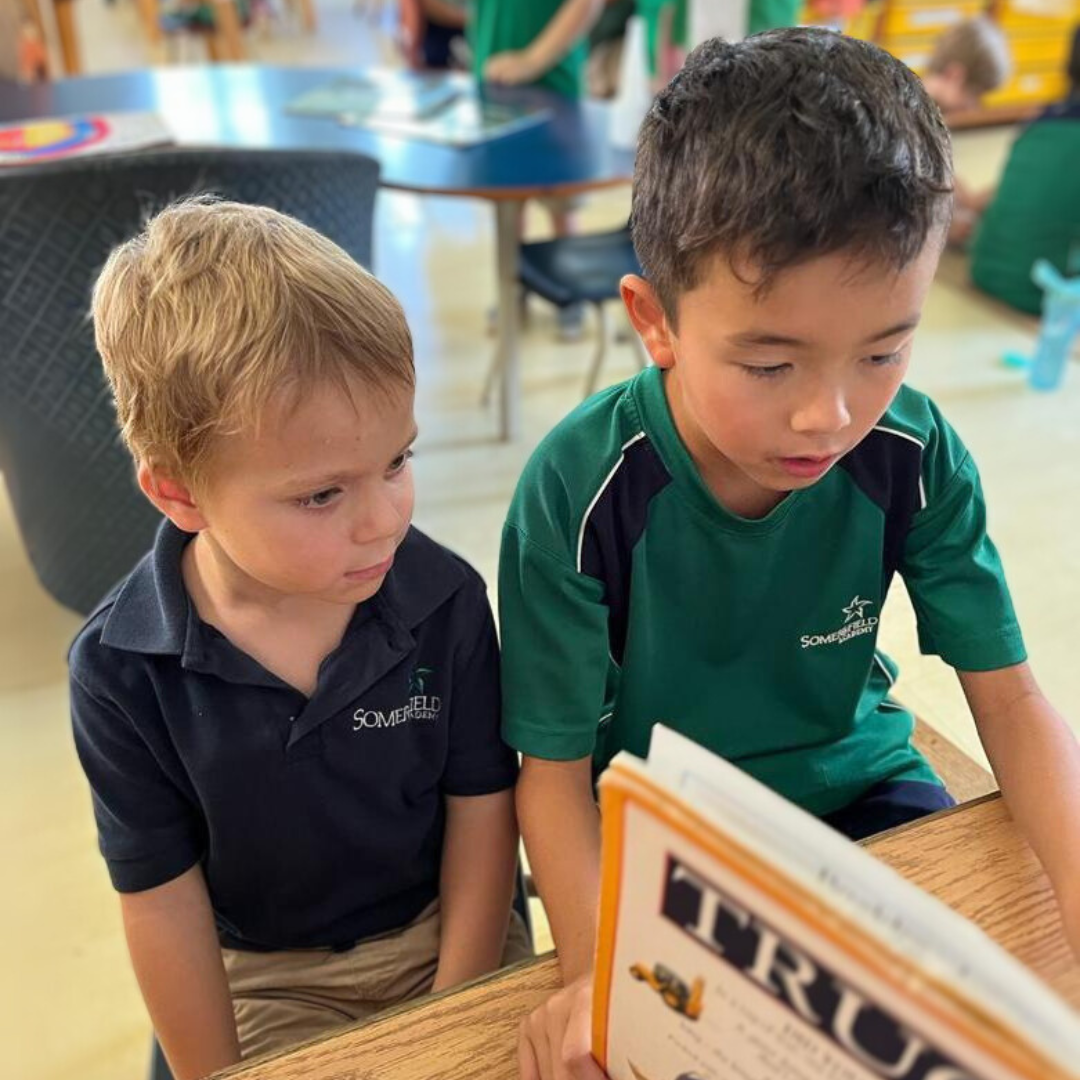
The three-year cycle is a cornerstone of Montessori education, providing a stable and nurturing environment that supports the natural progression of a child's development. Through this cycle, children experience significant growth, develop a sense of community, and build a strong foundation for lifelong learning. The mixed-age setting fosters collaboration, mentorship, and a deep understanding of concepts, making the Montessori three-year cycle an invaluable component of early education.

One of the core philosophical tenets of Maria Montessori’s education for children was her understanding of the need and importance for movement to perfect their coordination of both large and refined movements. In PE, the overall objective is to provide students with the skills, knowledge and attitudes necessary to make active living a way of life. Cooperation, fair play, sportsmanship, teamwork, communication and respect are emphasised at all times.

The Fifth Great Lesson: The Story of Numbers begins with the earliest civilisations, who often only had “one”, “two”, and “more than two” as their numeric system. It continues with a look at different numbering systems throughout the centuries, culminating in the decimal system that we use today.

The Fourth Lesson, the story of the development of the written alphabet is told, with an emphasis on the incredible ability that humans have of committing their thoughts to paper. Included in the story are pictographs, symbols, hieroglyphs, early alphabets, and the invention of the printing press.

We were delighted to welcome Tina Evans from the Montessori School of Lebanon for a special Lunch and Learn event. With over 20 years of experience in Montessori education, Tina led two engaging sessions—one for parents and one for staff—offering valuable insights tailored to each audience. Her thoughtful guidance sparked meaningful conversations around supporting children's growth through the Montessori approach.

The third Great Lesson is the Coming of Human Beings. A timeline is presented with a tool and a human hand to talk about the three gifts that make humans special: a mind to imagine, a hand to do work, and a heart that can love. This lesson will lead children to study the beginning of civilisations and the needs of early humans.

The Second Great Lesson involves the coming of life. This lesson revolves around the Timeline of Life, a long chart with pictures and information about microorganisms, plants, and animals that have lived (or now live) on the earth. The great diversity of life is emphasised, and special care is paid to the “jobs” that each living thing does to contribute to life on earth.

Step into the joy and energy of our recent Primary School Dance with this delightful photo booth gallery! From goofy grins to glamorous poses, our youngest students brought their best moves and biggest smiles. This collection captures the fun, friendship, and spirit that made the night unforgettable. Click through to see just how much personality can fit into one frame!