

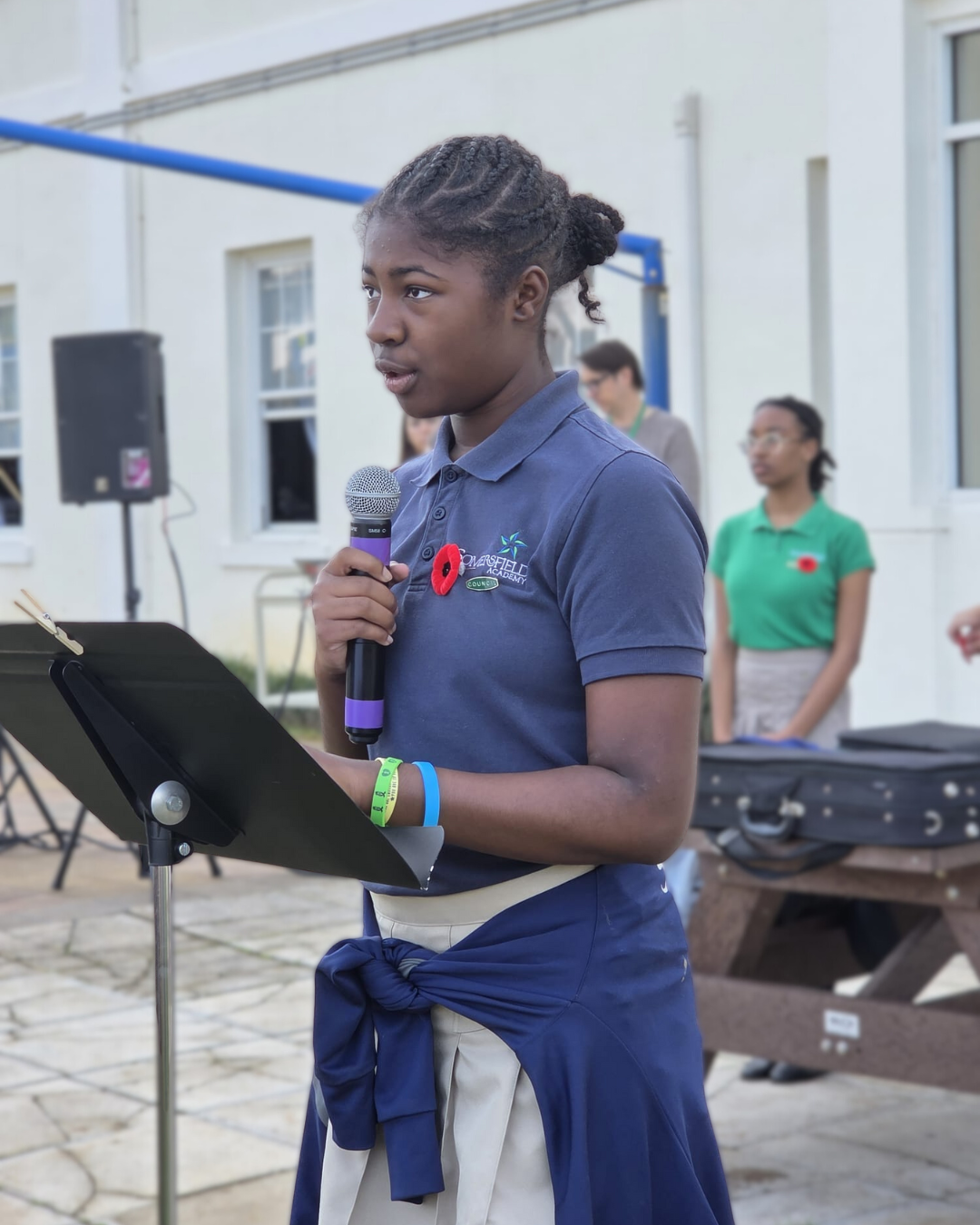
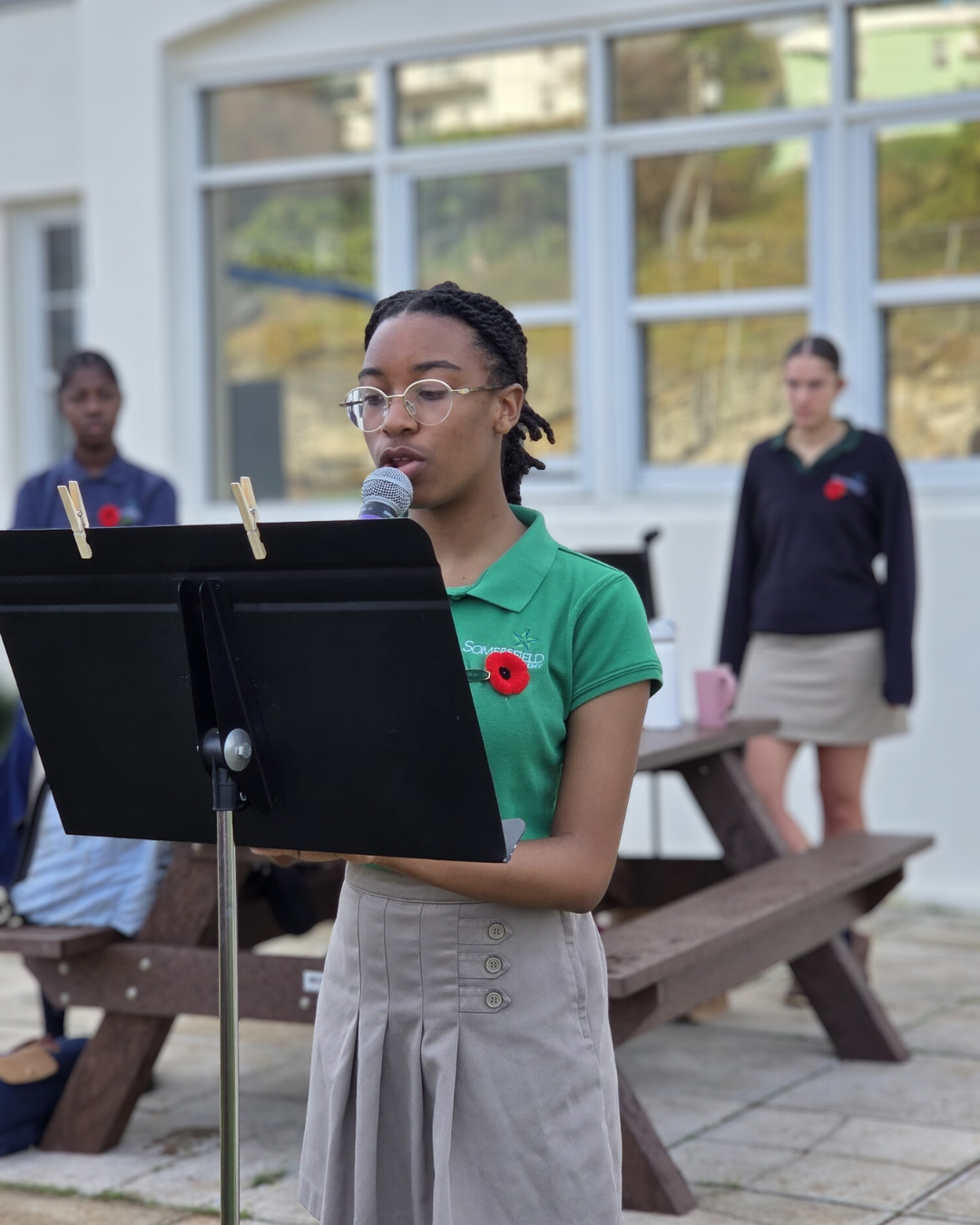
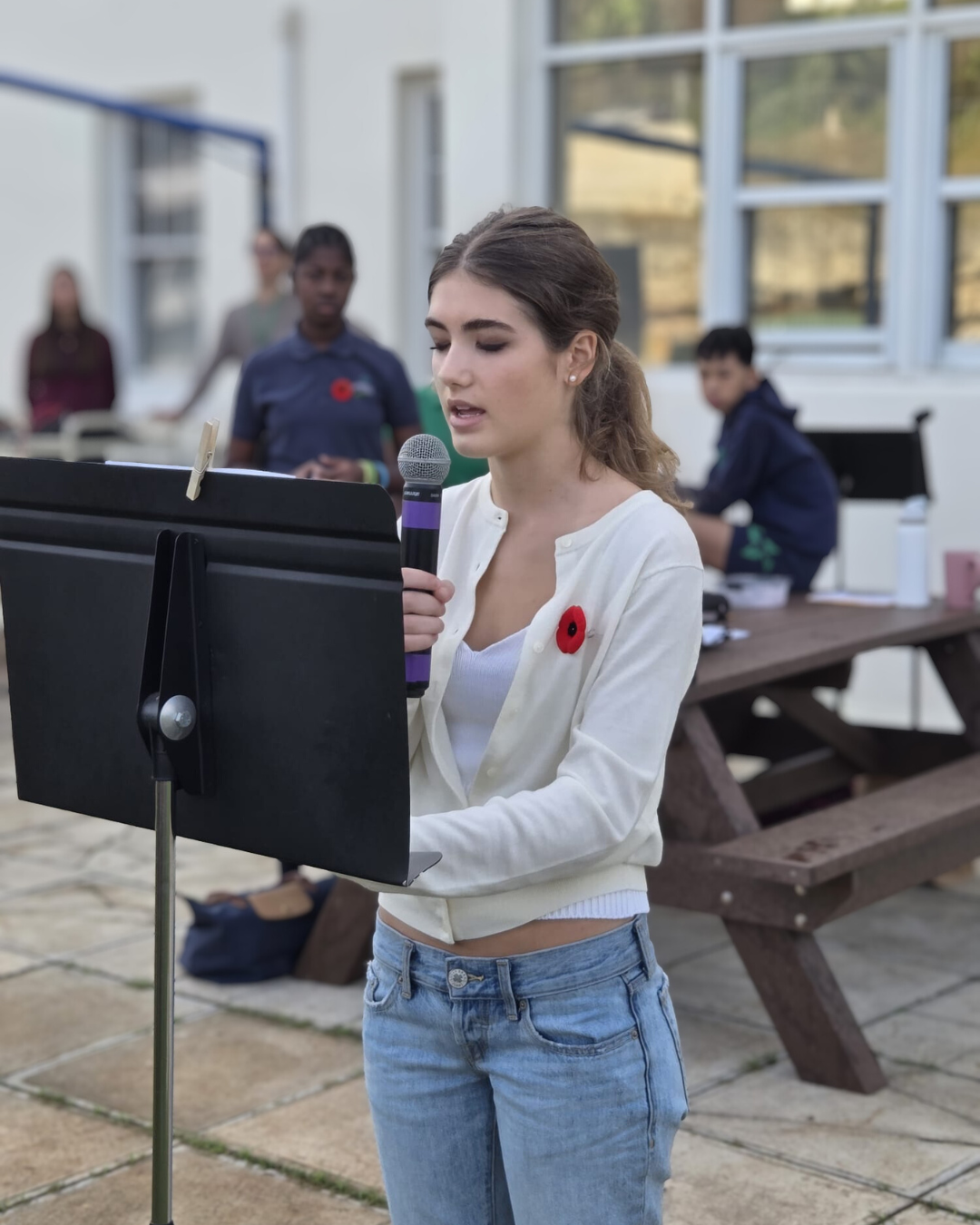
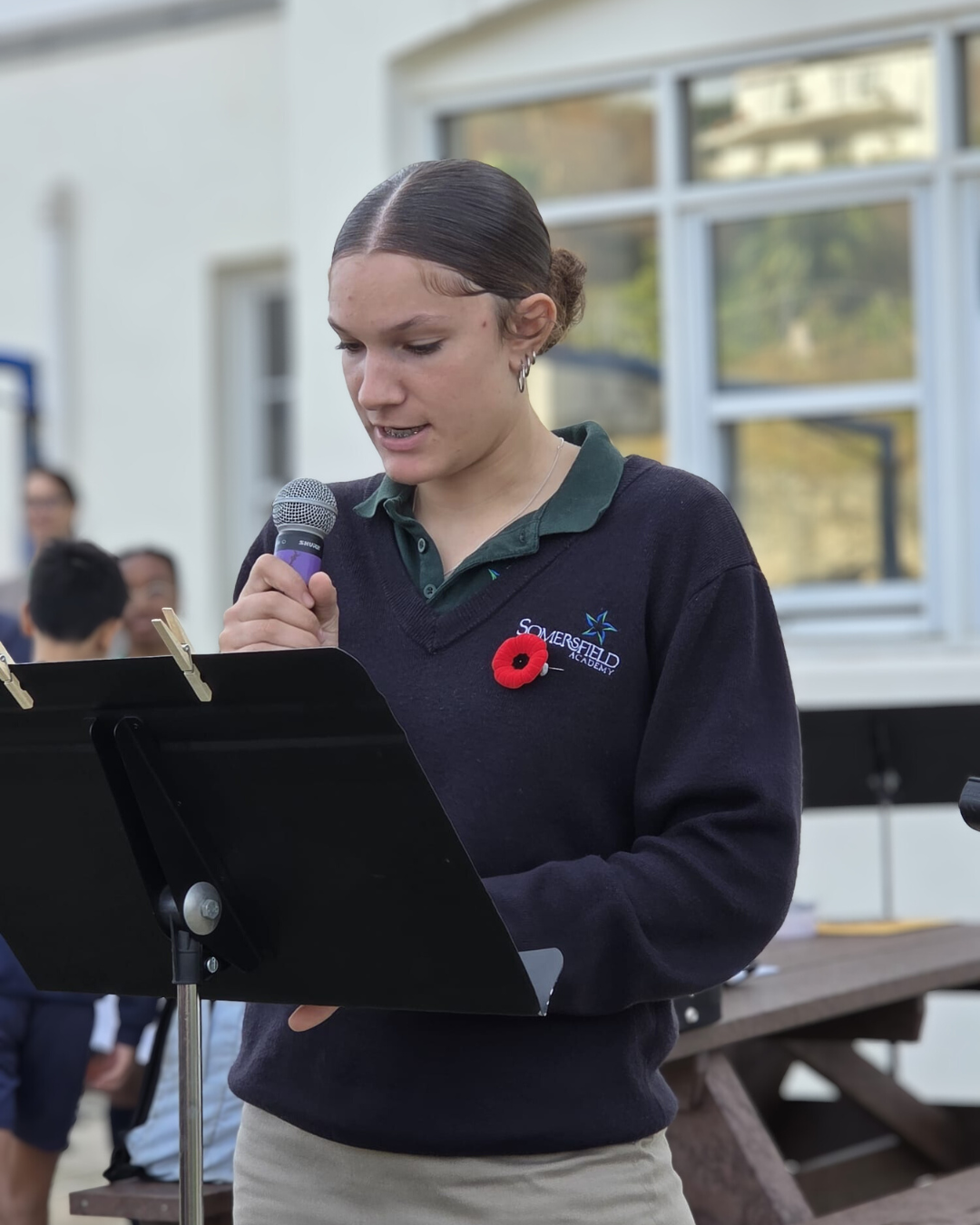
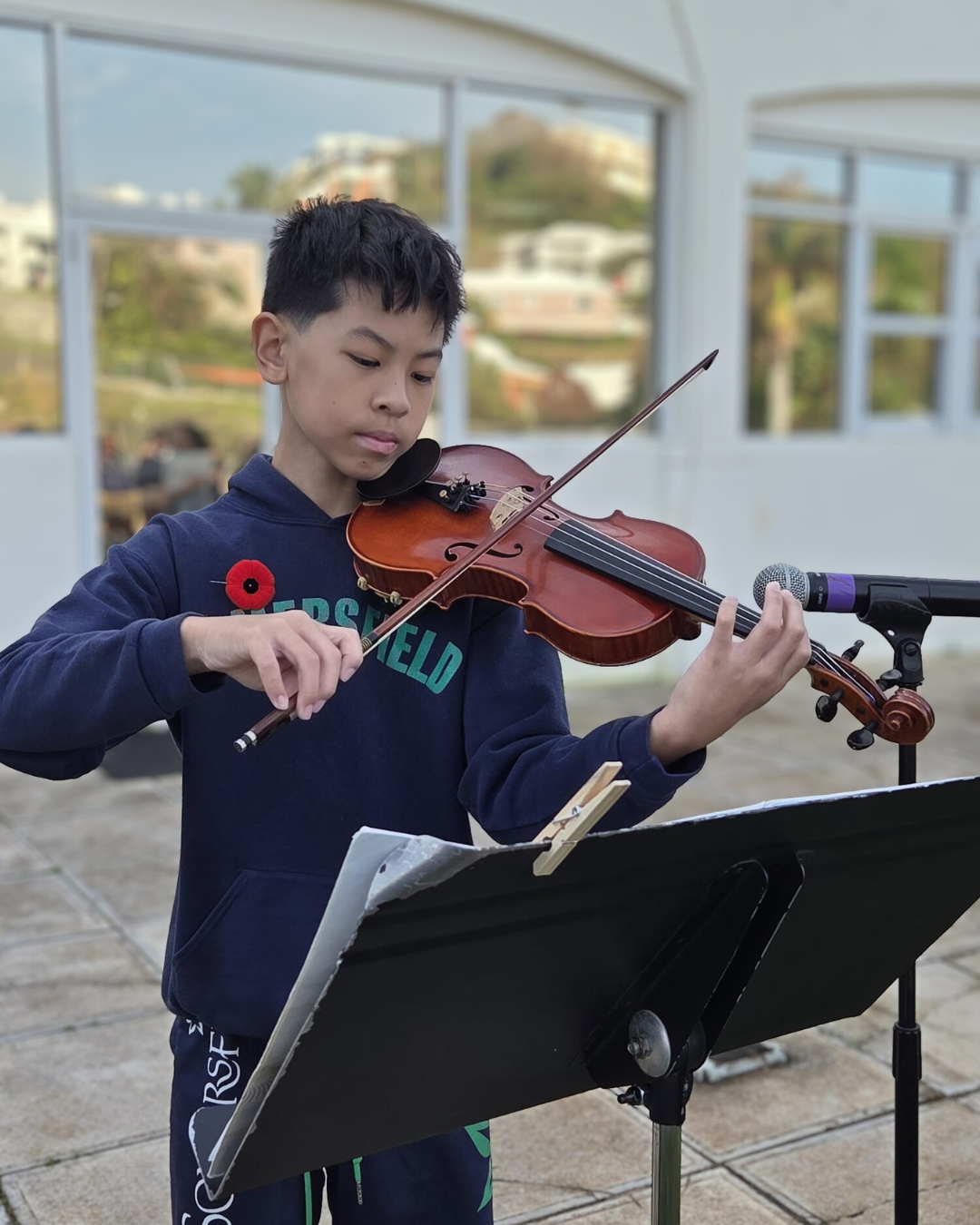
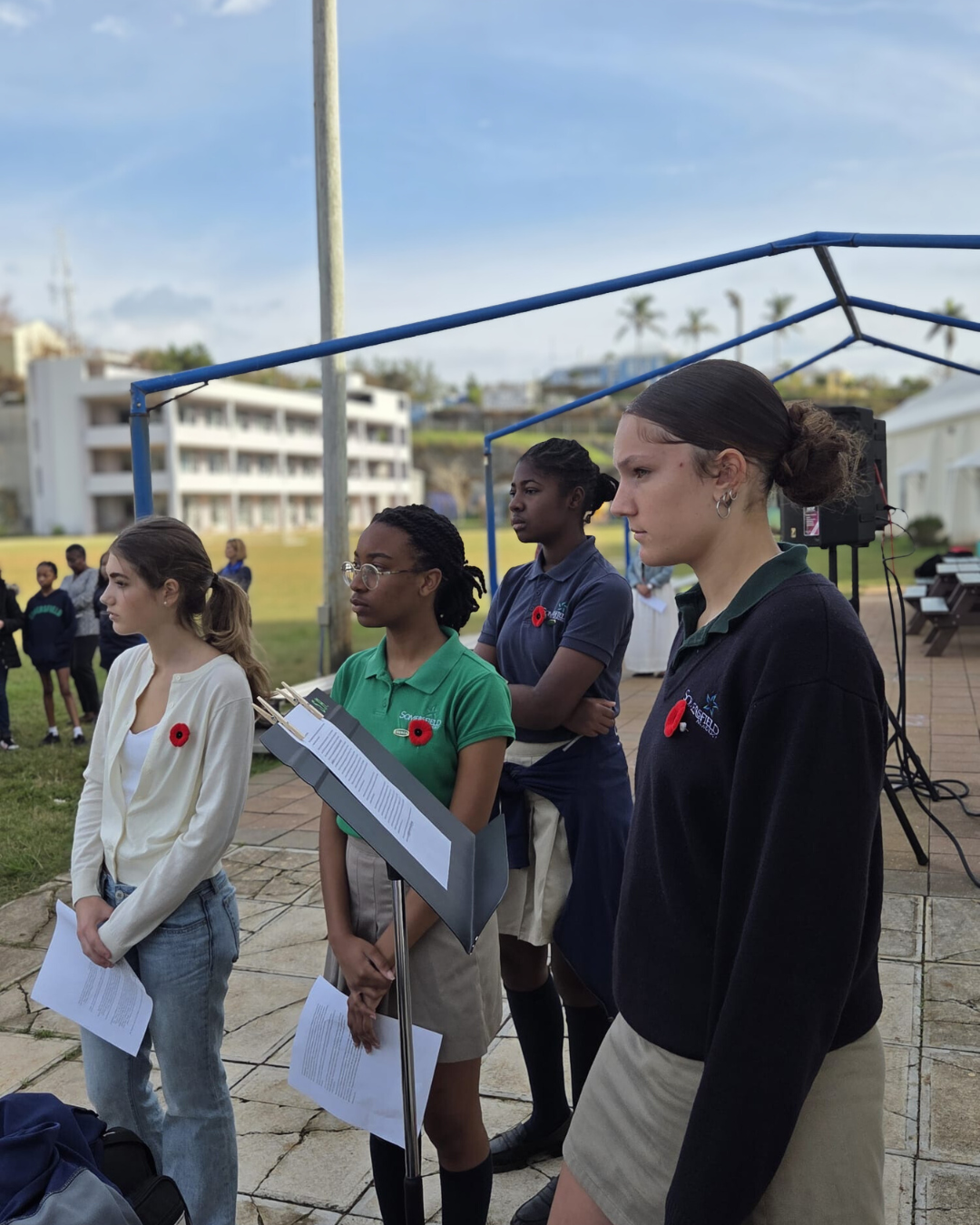
Each year on Remembrance Day, Somersfield Academy pauses to honour those who lived, served, and sacrificed during times of conflict. We remember the cost of war, the fragility of peace, and the responsibility we share in building a better future. In Montessori–IB schools, this reflection carries particular depth. Both Maria Montessori’s approach and the International Baccalaureate (IB) programme were shaped by the events and the aftermath of conflict. Both place peace and international understanding at the heart of education.
Montessori During the World Wars: Planting the Seeds of Peace
Maria Montessori lived through both World War I and World War II, witnessing firsthand how division, nationalism, and violence affected children and societies. These experiences did not cause her to retreat from her mission, they strengthened it. Montessori came to believe that peace is not something declared by governments but something built in the hearts and minds of individuals from childhood onward.
“Averting war is the work of politicians; establishing peace is the work of education.”
Her response to a world in conflict was to teach children empathy, respect for others, and a sense of responsibility to the community around them. In the Montessori environment, including those at Somersfield, children learn cooperation before competition, problem-solving before punishment, and independence with accountability. Peace is not an abstract concept but a daily practice.
Even during periods of exile in World War II, Montessori travelled internationally to train teachers. Her message remained consistent: education must nurture the development of compassionate human beings if humanity is to avoid repeating the tragedies of war. Her philosophy remains embedded in Somersfield’s Children’s House and Primary programmes today.
The Founding of the International Baccalaureate: Growing Peace Into Action
One of the early influences of the International Baccalaureate (IB) can be traced back to 1948, when Marie-Thérèse Maurette authored Educational Techniques for Peace. Do They Exist?. In this pioneering work, Maurette proposed an education model centered on international understanding and peace, principles that would later shape the core philosophy of the IB.
A generation later, in 1968, the IB pedagogy emerged in a world still healing from war and facing new tensions during the Cold War. The founders recognised that many national education systems emphasised national identity above global understanding.
They believed that if students learned to think critically, embrace multiple cultural perspectives, and understand international issues, they would be better prepared to create a more peaceful future.This philosophy is reflected in the IB mission:
“To develop inquiring, knowledgeable and caring young people who help to create a better and more peaceful world through intercultural understanding and respect.”
At Somersfield Academy, this mission comes to life as our older students engage in meaningful reflection, take principled action, and develop the confidence to contribute to their communities — locally and globally.
Together in One School: Peace from Early Years to Adolescence
While Montessori education nurtures peaceful ways of being in early childhood and primary years, the IB builds on those foundations by empowering adolescents to apply those values to real-world issues. At Somersfield, the continuity of these two approaches supports students as they grow from curious, compassionate children into thoughtful global citizens.
Remembrance Day in Our Community
On Remembrance Day, Somersfield students and staff honour those who acted with courage in the face of conflict. At the same time, we recommit ourselves to peaceful action every day: in our classrooms, in the choices we make, and in the way we treat one another.
As Montessori reminded us, peace begins with the child — and as the IB reminds us, peace lives through the choices we make as citizens of a shared world. At Somersfield Academy, Remembrance Day strengthens our resolve to uphold both.