
Somersfield Academy Develops AI Policy with Eblana Learning
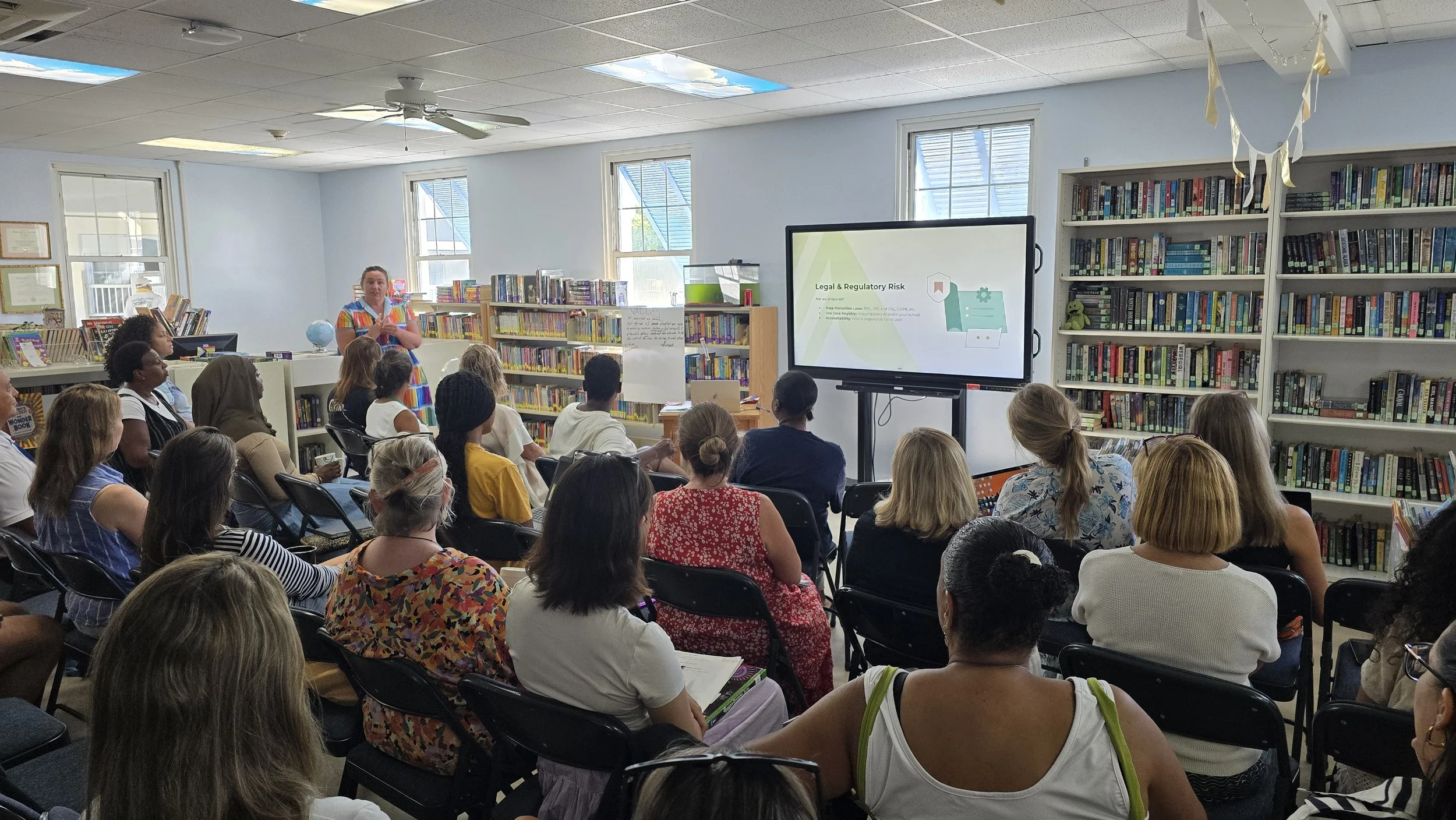
Somersfield Academy is developing an Artificial Intelligence (AI) policy as part of its broader work to establish a clear and considered approach to AI in education.
Somersfield hosted Rita Bateson, from Eblana Learning and a former Somersfield teacher, during its summer professional development programme. The school is now working closely with Eblana Learning, which has worked with schools on AI education and strategy, to help guide Somersfield's approach.
The work is being informed by Somersfield's mission, “To inspire socially conscious, independent thinkers,” and its values, including trust, independence and authentic responsibility, intellectual curiosity, respect, growth, and the courage to stand for what is right.
A balanced approach
Somersfield is taking a balanced approach to AI, considering both its potential benefits and its risks in an educational setting.
One distinction discussed during the professional development sessions was the difference between using AI for efficiency in the workplace and using it in education.
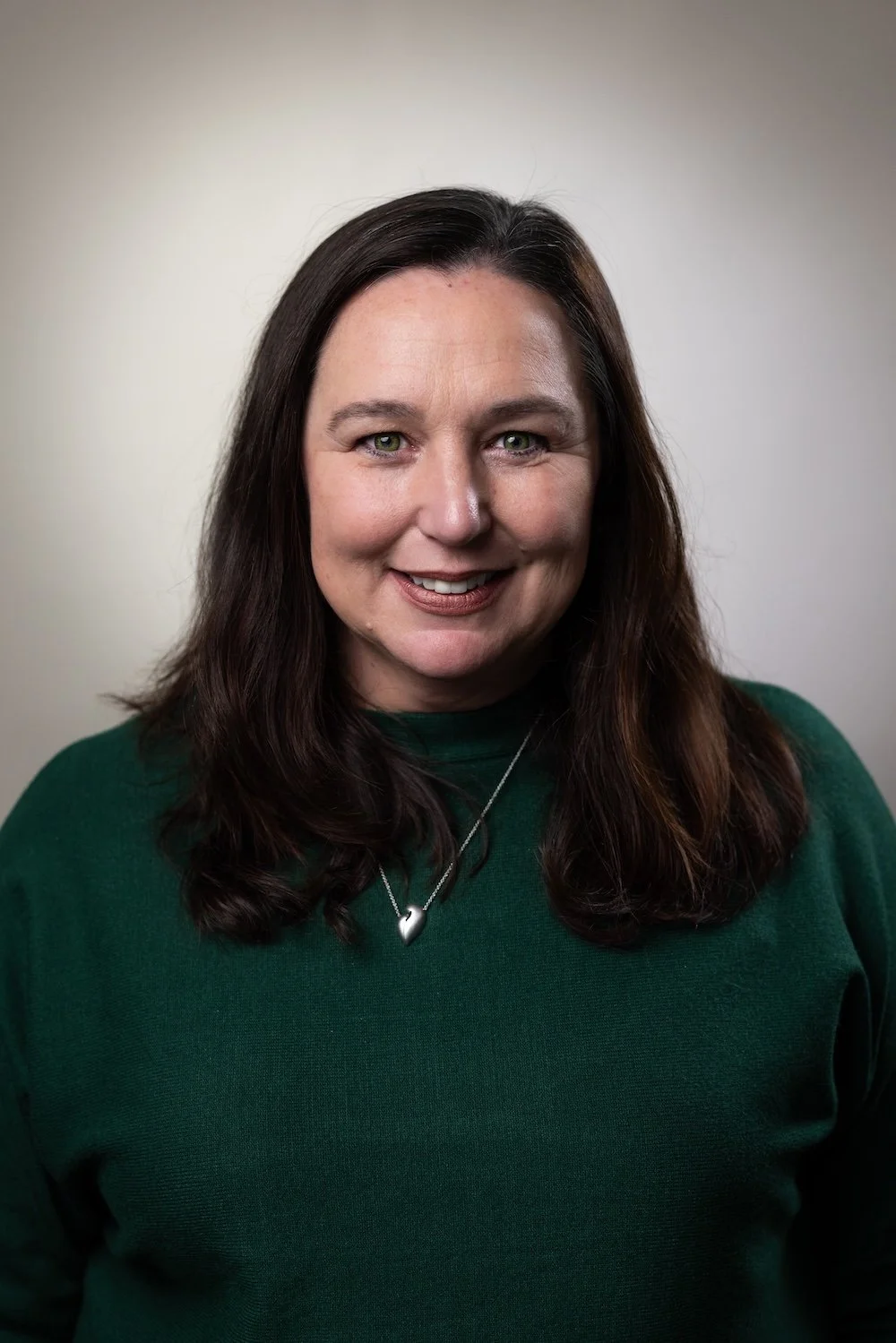

“Our approach to AI needs to reflect who we are as a school,” said Riki Teteina, Head of School. “We want our students to understand the technology, question it and use it responsibly, while making sure it does not replace the learning and independent thinking that are central to a Somersfield education. Working with Eblana Learning is helping us consider these questions carefully as we develop our AI policy.”
The school is therefore considering where AI can support learning and where its use could prevent students from developing the skills they are expected to learn themselves.
The work is also looking at issues including academic integrity, critical literacy, misinformation and deepfakes, privacy and online safety, AI-generated content, AI companionship and the environmental impact of AI.
Developing an AI policy
Somersfield is exploring how AI guidance can be incorporated into its existing programmes rather than treating AI as a separate subject. The school is taking a layered approach, developing strategies and guidance for leadership and administration, teachers, parents, and students.
“Curricula are already full. AI education needs authentic places within existing lessons,” Bateson said.
This could include helping students evaluate AI-generated information, understand that AI systems can produce inaccurate or misleading content, and make informed decisions about when using AI is appropriate for a particular learning task.
The school is also considering how to give students appropriate agency as they encounter AI in their education and everyday lives.
Bateson has emphasised the importance of avoiding both an uncritical enthusiasm for AI and an approach based solely on fear.
“We don't want to be tech bros shouting about tools, and we don't want to be people locking everything down in fear,” Bateson said. “We're trying to find the middle ground.”
Connecting AI to Somersfield's educational approach
Head of School Riki Teteina, Rita Bateson, and Head of Secondary Charlie Judd.
The development of the policy is being considered within the context of Somersfield's existing educational approach.
For a school committed to developing independent thinkers, the arrival of AI raises questions about how students learn, how they assess information and how they take responsibility for their own work.
“AI could undermine some of the things we value if we're not careful,” Bateson said.
At the same time, the school recognises that AI is already part of the wider world in which students are growing up. Understanding how these technologies work, their limitations and their implications is therefore part of preparing students for life beyond Somersfield.
Somersfield's work with Eblana Learning will continue as the school develops its AI policy and considers how AI education can be incorporated into teaching and learning. The policy will go through the school's established process before being considered by the Board of Directors for ratification.
Tanisha Edwards, Director of Student Life added, “our students are already encountering AI in different parts of their lives, so it is important that we give them a space to understand it and talk about it openly. Our role is not simply to tell students what they can and cannot use. We want them to understand the impact of their choices, think critically about what they encounter and take responsibility for how they use these tools.”